
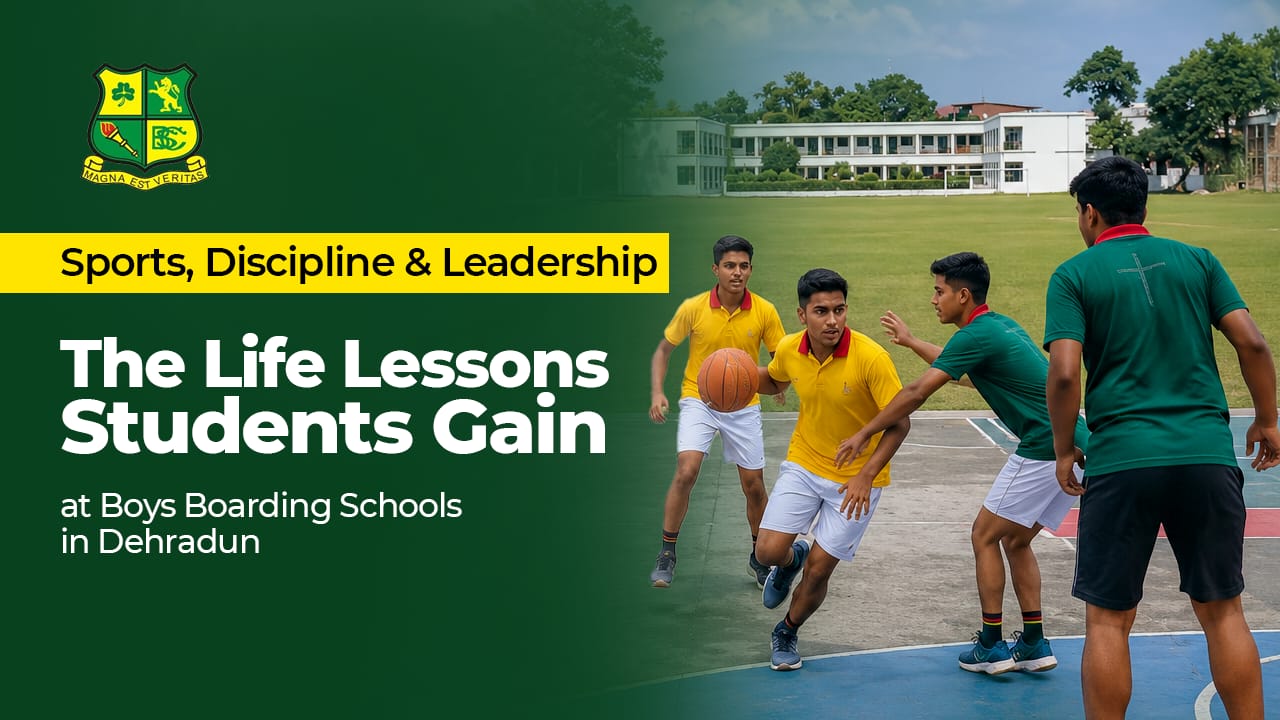
Many of the qualities that help students succeed in life are developed through everyday experiences beyond the classroom. Participating in sports teaches children how to handle challenges, work with others, stay committed to their goals, and take responsibility for their actions. These practical lessons complement academic learning and contribute to their overall development.
For many students, these experiences shape confidence, resilience, and character just as much as classroom learning shapes academic success. This is one reason why parents increasingly choose a boys’ boarding school in Dehradun not only for academic excellence but also for the structured environment that nurtures discipline, leadership, teamwork, and lifelong personal growth.
How Sports Build Character and Essential Life Skills in Students
Sports are much more than games or exercise; they play a significant role in shaping a child’s character and nurturing valuable life skills. According to the World Health Organization (WHO), engaging in regular sports and movement supports children’s overall health, mental well-being, cognitive growth, and social development, making it an essential component of holistic education.
Through regular participation in sports, students develop skills and values that benefit them both inside and outside the classroom, including:
- Discipline and Time Management: Balancing training, academics, and personal responsibilities helps students stay organised and committed.
- Teamwork and Communication: Working towards shared goals teaches collaboration, respect, and effective communication.
- Resilience and Adaptability: Facing challenges, setbacks, and changing situations helps students persevere and adjust with confidence.
- Accountability and Integrity: Taking responsibility for actions and playing fairly encourages honesty, sportsmanship, and ethical behaviour.
These experiences help students grow into responsible, confident, and resilient individuals who are better prepared for academic success, future careers, and everyday life.
Why Boarding Schools Foster Discipline and Responsibility in Students
Discipline is one of the most valuable qualities a student can develop, and it is built through consistent habits rather than overnight change. In a structured boarding school environment, daily routines encourage students to become responsible, self-reliant, and accountable for their actions.
Through their everyday experiences, students learn to:
- Manage their morning routine independently, building self-reliance and responsibility.
- Balance academics, sports, and extracurricular activities, improving time management and organisation.
- Meet deadlines and honour commitments, fostering accountability and reliability.
- Respect schedules, rules, and shared responsibilities, encouraging discipline and consideration for others.
- Take ownership of their decisions and actions, helping them develop maturity and good judgement.
Over time, these everyday practices become lasting habits, shaping disciplined individuals who are better prepared for higher education, professional life, and personal success.
Building Leadership and Confidence Through Sports
Sports provide students with opportunities to take responsibility, work with others, and perform under pressure. Whether leading a team, supporting teammates, or striving to achieve personal goals, these experiences help build confidence and essential life skills.
According to UNESCO, quality physical education and sport promote teamwork, leadership, respect, and social responsibility, contributing to a child’s holistic development.
Through regular participation in sports, students learn to:
- Build Confidence: Achieving goals and overcoming challenges strengthens self-belief and encourages students to take on new opportunities.
- Develop Leadership Skills: Taking initiative, motivating teammates, and setting a positive example foster responsibility and leadership.
- Improve Decision-Making: Fast-paced game situations encourage students to think critically and make informed choices under pressure.
These qualities benefit students not only on the playing field but also in academics, future careers, and everyday life, helping them become capable, confident, and well-rounded individuals.
The Impact of Sports on Resilience, Humility, and a Growth Mindset
One of the most valuable outcomes of sports is that they help students build emotional strength and a healthy attitude toward success and failure. Every game or competition becomes an opportunity to learn, adapt, and grow.
Through sports, students learn to:
- Learn from Setbacks: Losses and mistakes become opportunities for reflection and improvement.
- Develop Emotional Resilience: Facing challenges regularly helps students stay calm, confident, and adaptable under pressure.
- Value Effort and Continuous Improvement: Consistent practice and dedication are recognised as key drivers of long-term success.
These lessons go beyond sports, shaping how students approach academics, relationships, and future careers with a positive and growth-orientated mindset.
The Role of Boarding Schools in Holistic Student Development
One of the biggest advantages of a boarding school is that learning continues beyond the classroom. By living, studying, and participating in activities together, students gain valuable life experiences that strengthen friendships, empathy, collaboration, and social responsibility.
A well-rounded boarding school environment encourages students to:
- Build Meaningful Friendships: Living with peers helps students develop trust, empathy, and long-lasting relationships.
- Respect Diverse Perspectives: Interacting with classmates from different backgrounds promotes cultural awareness, inclusion, and mutual respect.
- Work Through Everyday Challenges Together: Sharing responsibilities and solving problems collaboratively strengthens teamwork and communication skills.
When combined with academics, sports, and extracurricular activities, these experiences contribute to a student’s personal growth, emotional maturity, and readiness for future challenges in higher education and beyond.
Team Sports vs Individual Sports: How Both Help Students Grow
Every sport offers valuable learning opportunities, but team and individual sports often help students develop different strengths. Encouraging children to participate in a mix of activities can support their overall personal, social, and emotional development.
| Team Sports | Life Skills Students Develop | Examples |
| Collaboration & Teamwork | Learn to work towards shared goals, support teammates, and contribute to group success. | Football, Cricket, Basketball, Hockey |
| Communication | Develop the ability to communicate clearly, listen actively, and coordinate with others. | Football, Basketball, Volleyball |
| Shared Responsibility | Understand accountability by sharing both successes and challenges with the team. | Cricket, Hockey, Rugby |
| Problem-Solving | Adapt strategies and make collective decisions during dynamic game situations. | Basketball, Football |
| Leadership | Build leadership by motivating teammates, taking initiative, and leading by example. | Cricket, Hockey, Basketball |
| Individual Sports | Life Skills Students Develop | Examples |
| Self-Motivation | Stay committed to personal goals and maintain discipline through independent practice. | Athletics, Swimming, Badminton |
| Personal Accountability | Take responsibility for individual performance and continuous improvement. | Tennis, Chess, Gymnastics |
| Focus & Concentration | Strengthen mental discipline and sustained attention during practice and competition. | Archery, Chess, Swimming |
| Resilience | Learn to overcome setbacks, adapt to challenges, and keep improving. | Athletics, Badminton |
| Goal Setting | Set measurable objectives and work consistently to achieve them. | Running, Swimming, Gymnastics |
Whether a child prefers competing as part of a team or individually, both team and individual sports help students develop complementary skills and encourage balanced personal growth. Exposure to a variety of sports can help students become adaptable, well-rounded individuals prepared for future academic and personal success.
The Connection Between Physical Fitness and Academic Success
According to the U.S. Centers for Disease Control and Prevention (CDC), regular physical activity is associated with improved concentration, memory, classroom behaviour, and academic performance among school-aged children. This highlights why sports and exercise are an important part of a student’s overall development, supporting both physical well-being and effective learning.
Some of the key benefits of regular exercise for students include:
- Better Concentration: Physical activity helps improve attention span and supports more effective learning in the classroom.
- Improved Mental Well-being: Exercise helps reduce stress and supports emotional balance and confidence.
- Healthier Sleep and Energy Levels: Regular movement improves sleep quality, which contributes to better recovery, focus, and daily energy.
By promoting physical fitness alongside academics, schools can help students build healthy habits that support both academic achievement and long-term well-being.
Why Dehradun Is a Top Choice for Boarding School Education
Dehradun has earned a strong reputation as one of India’s leading destinations for boarding school education. Known for its established institutions, natural surroundings, and focus on all-round development, the city offers an environment where students can grow academically, socially, and personally.
For parents considering a boys’ boarding school in Dehradun, the city offers institutions that focus on much more than academic achievement. Many schools provide a balanced learning environment where students participate in sports, extracurricular activities, leadership programmes, and community initiatives alongside their studies. Its educational heritage and emphasis on holistic learning continue to make Dehradun a preferred choice for families seeking a well-rounded boarding school experience for their children.
Final Thoughts
The true value of education lies in preparing students for life, not just examinations. Through sports, structured routines, and shared responsibilities, students develop discipline, resilience, teamwork, and leadership skills that continue to benefit them long after they leave school.
At institutions such as Col Brown School, academics are complemented by sports and co-curricular experiences that encourage intellectual, physical, and personal growth. For parents considering a boys’ boarding school in Dehradun, this balanced approach helps children become confident, responsible, and well-rounded individuals ready to succeed in higher education and beyond.
FAQs
Children can start age-appropriate sports from an early age based on their interests, abilities, and stage of development.
No. Regular participation in sports can help all students develop physical fitness, teamwork, confidence, and valuable life skills, regardless of their skill level.
Many boarding schools integrate sports into the daily routine by providing structured training, coaching, and opportunities to participate in inter-house and inter-school competitions.
Yes. Participation in sports can strengthen college applications by showcasing qualities such as teamwork, leadership, discipline, and commitment.
Parents can support their children by focusing on effort, learning, and enjoyment rather than only on winning, helping them build confidence and a lifelong interest in physical activity.